
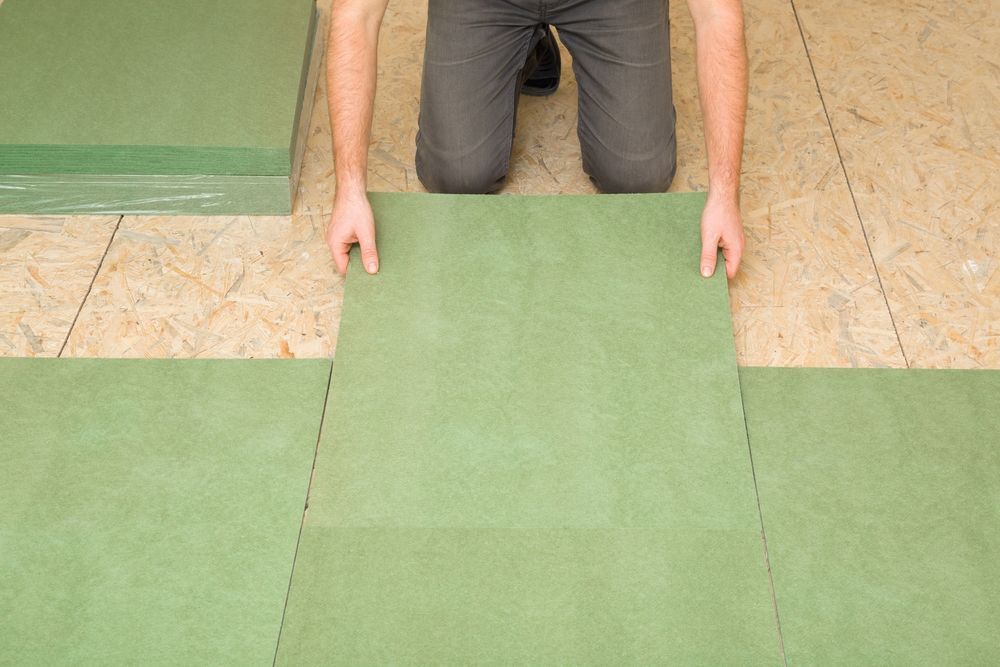
Flat Surfaces Before the Floor Goes Down
Subfloor Preparation & Repair in McKinney for uneven surfaces, damaged plywood, and preventing failed installations before they start
NTX Flooring levels, repairs, and reinforces subfloors in McKinney homes before tile, hardwood, vinyl, or laminate is installed so the finished floor sits flat, does not crack, and performs as expected for years. You may not see the subfloor once the new material is down, but if it is uneven, damp, or structurally compromised, the flooring above it will shift, crack, or fail prematurely no matter how carefully the install is done.
Subfloor preparation starts with an inspection. The crew checks for low spots, humps, rot, squeaks, and moisture using a straightedge and moisture meter. Low areas are filled with leveling compound, high spots are sanded or planed down, and damaged sections of plywood are cut out and replaced. If the subfloor feels spongy or shows water stains, the underlying framing may need attention before any flooring work begins. Moisture issues are especially common in bathrooms, kitchens, and areas near exterior doors.
If you are installing new flooring and want to make sure the subfloor is ready, reach out to schedule an inspection before materials are ordered or delivery is scheduled.
Why the Subfloor Determines How Long the Floor Lasts
You notice the difference when you walk across a properly prepared subfloor. The surface feels solid, does not flex or squeak, and sits level from one end of the room to the other. Tile installed over a level subfloor does not crack at the grout lines. Laminate planks do not gap or buckle when the surface underneath is flat and dry. Hardwood does not develop squeaks or movement when the plywood is screwed down tight to the joists.
After NTX Flooring completes the prep work, the subfloor is clean, level within industry tolerance, and dry enough to accept adhesive or fasteners. You see the plywood screwed into the floor joists at closer intervals to eliminate movement, and any gaps between sheets are filled or shimmed. The surface is swept and ready for underlayment or direct installation depending on the flooring type.
Subfloor work adds time to the project, but skipping it leads to callbacks and early failure. Most prep work takes one to two days depending on the size of the area and the extent of the damage. The scope does not include replacing floor joists or structural framing, which falls outside typical flooring contractor work.
Homeowners in McKinney often ask whether their subfloor needs work, how much prep adds to the timeline, and what happens if moisture is found during the inspection.
What Homeowners Want to Know About Subfloors
What does an uneven subfloor look like during installation?
You see gaps under a straightedge, feel soft spots when you walk across the room, or notice the floor slopes in one direction.
How much does subfloor leveling add to the project timeline?
Leveling with self-leveling compound typically adds one day for application and another day for curing before flooring can be installed.
Why does moisture in the subfloor matter for hardwood or laminate?
Wood-based flooring expands when it absorbs moisture, which causes planks to buckle, cup, or separate at the seams.
When should damaged subfloor sections be replaced instead of patched?
You replace sections when the plywood is rotted, delaminated, or no longer stiff enough to support weight without flexing.
How do you fix squeaks in the subfloor before new flooring goes down?
Squeaks are eliminated by screwing the subfloor tightly to the floor joists and shimming any gaps between the plywood and framing.
NTX Flooring inspects and prepares subfloors before installation in homes throughout McKinney. If your floors feel uneven, squeak when you walk, or show signs of water damage, request an inspection to determine what needs to be corrected before the new flooring is laid.